In modern manufacturing, every minute of machine uptime matters. Whether producing automotive components, fasteners, engineering parts, or precision-machined products, manufacturers constantly look for ways to increase tool life while maintaining quality and production speed. Tooling costs can represent a significant portion of machining expenses, and premature tool wear often leads to machine downtime, inconsistent product quality, and increased operational costs.
The good news is that extending the lifespan of cutting tools does not always require major investments. With the right machining practices, proper tool selection, and regular maintenance, manufacturers can significantly improve tool performance and overall productivity. Understanding how to increase tool life has become a critical factor in maintaining competitiveness in today’s demanding manufacturing environment.
This article explores proven strategies to maximize tool longevity, improve machining efficiency, and achieve better returns from your tooling investment.
Why Tool Life Matters in CNC Machining
Tool life directly influences manufacturing efficiency. When tools wear out quickly, operators must stop production frequently for replacements, adjustments, or regrinding. These interruptions reduce throughput and increase production costs.
Longer-lasting cnc cutting tools help manufacturers maintain consistent dimensional accuracy, surface finish quality, and production schedules. Extended tool life also reduces the frequency of tool purchases, lowering overall operational expenses.
In high-volume manufacturing environments, even a small improvement in tool lifespan can generate substantial savings over time.
Select the Right Carbide Grade
One of the most important factors affecting carbide tool life is selecting the appropriate carbide grade for the material being machined.
Different materials create unique cutting conditions. Stainless steel generates heat differently than alloy steel, while hardened materials place additional stress on cutting edges. Using the wrong carbide grade often leads to excessive wear, chipping, or premature failure.
Manufacturers should consider:
- Material hardness
- Cutting speed requirements
- Feed rates
- Surface finish expectations
- Production volume
High-quality carbide cutting tools designed specifically for the application can withstand greater cutting forces and maintain edge sharpness for longer periods.
Optimize Cutting Speeds and Feeds
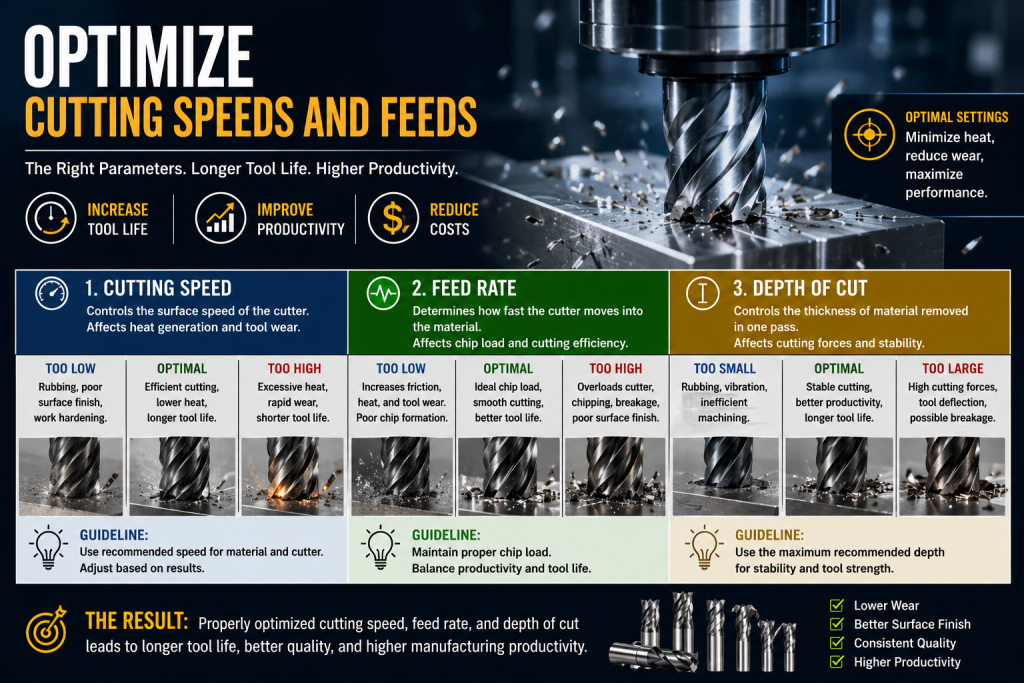
Many machining operations suffer from improper cutting parameters. Running tools too aggressively can generate excessive heat, while overly conservative settings may create rubbing rather than cutting.
To effectively increase tool life, manufacturers should carefully optimize:
Cutting Speed
Excessively high cutting speeds increase temperature at the cutting edge. Elevated temperatures accelerate wear and reduce tool performance.
Feed Rate
Feed rates that are too low often cause friction and work hardening. Excessively high feed rates may overload the cutting edge and cause chipping.
Depth of Cut
Maintaining stable cutting engagement reduces stress on the tool and promotes consistent wear patterns.
Optimizing these parameters helps improve both machining productivity and tool longevity simultaneously.
Use High-Quality Carbide Cutting Tools
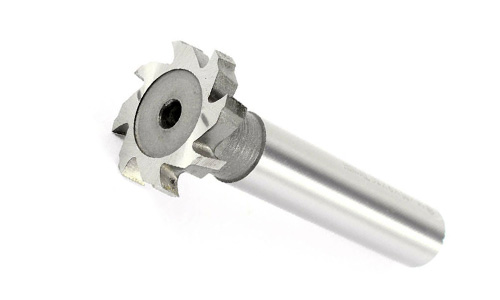
Not all cutting tools deliver the same performance. Premium carbide tools offer superior hardness, wear resistance, and edge stability compared to lower-grade alternatives.
Modern carbide tools are engineered to withstand demanding machining conditions while maintaining dimensional accuracy. Precision-ground cutting edges improve chip evacuation and reduce heat generation during machining.
Manufacturers throughout Australia increasingly rely on specialized **carbide cutting tools **suppliers and custom tooling manufacturers to achieve better productivity and tool performance.
Investing in quality tooling often results in lower overall production costs despite higher initial purchase prices.
Improve Coolant Management
Heat is one of the biggest enemies of cutting tools.
Effective coolant application helps:
- Reduce cutting temperatures
- Minimize thermal shock
- Improve chip evacuation
- Reduce built-up edge formation
- Enhance surface finish quality
Proper coolant concentration and delivery are critical. Insufficient coolant flow allows heat accumulation, while excessive pressure in some operations may negatively impact tool stability.
Maintaining coolant quality is an often-overlooked method to increase tool life without major process changes.
Ensure Proper Tool Holding
Even the highest-quality cnc cutting tools cannot perform efficiently if tool holding systems are unstable.
Poor tool clamping may cause:
- Vibration
- Runout
- Uneven wear
- Edge chipping
- Reduced dimensional accuracy
Precision tool holders help maintain stability throughout the machining process. Reduced vibration leads to more consistent cutting action and significantly improved carbide tool life.
Manufacturers should routinely inspect tool holders, collets, and spindle interfaces to ensure maximum rigidity.
Minimize Vibration During Machining
Chatter is one of the most common causes of premature tool failure.
Machine vibration generates fluctuating cutting forces that accelerate wear and damage cutting edges. To reduce vibration:
- Use rigid setups
- Minimize tool overhang
- Balance rotating tools properly
- Secure workpieces firmly
- Optimize cutting parameters
Stable machining conditions not only improve tool life but also enhance surface finish and dimensional accuracy.
Monitor Tool Wear Regularly
Waiting until complete tool failure often creates costly production problems.
A proactive tool monitoring program allows manufacturers to identify wear patterns before they impact product quality. Common signs of wear include:
- Flank wear
- Crater wear
- Edge chipping
- Thermal cracking
- Built-up edge formation
Regular inspections help operators replace tools at the optimal time rather than after significant damage occurs.
Predictive maintenance programs contribute significantly to higher machining productivity and reduced downtime.
Keep Machines Properly Maintained
Machine condition plays a major role in determining tool lifespan.
Worn spindle bearings, loose fixtures, and misaligned components create unstable cutting conditions that accelerate tool wear.
Routine maintenance should include:
- Spindle inspection
- Axis calibration
- Lubrication checks
- Coolant system maintenance
- Fixture verification
A well-maintained CNC machine provides the stability required to maximize carbide tool life.
Consider Customized Carbide Tooling
Standard tools work well for many applications, but customized carbide tooling can deliver significant advantages in specialized production environments.
Custom tools are engineered for specific materials, geometries, and production requirements. These solutions often reduce cycle times while improving tool durability.
Manufacturers producing fasteners, engineering components, and precision parts increasingly adopt customized carbide solutions to improve performance and reliability.
Conclusion
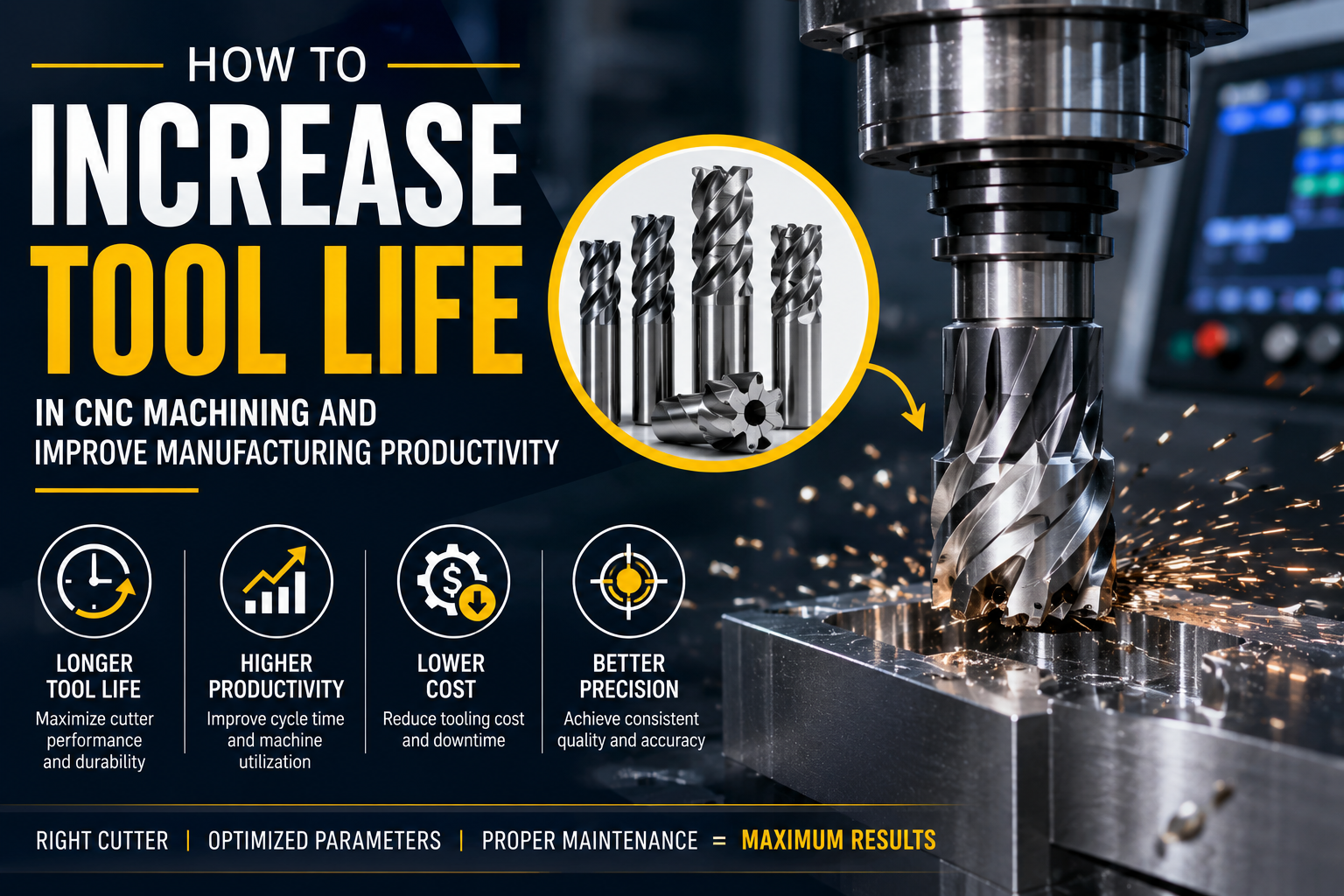
Manufacturers looking to increase tool life must focus on a combination of proper tool selection, optimized machining parameters, effective coolant management, machine maintenance, and high-quality carbide tooling. No single factor determines tool longevity. Instead, consistent attention to every aspect of the machining process delivers the best results.
By investing in premium cnc cutting tools, monitoring wear patterns, improving machine stability, and selecting the right carbide solutions, manufacturers can significantly enhance carbide tool life while boosting overall machining productivity.
In competitive manufacturing environments, longer-lasting tools translate directly into reduced costs, improved efficiency, and stronger profitability.