The fastener industry operates in one of the most demanding manufacturing environments. Whether producing bolts, screws, nuts, rivets, or specialized fastening components, manufacturers must maintain exceptional precision while achieving high production volumes. Every component must meet strict dimensional tolerances and quality standards to ensure reliability in its final application.
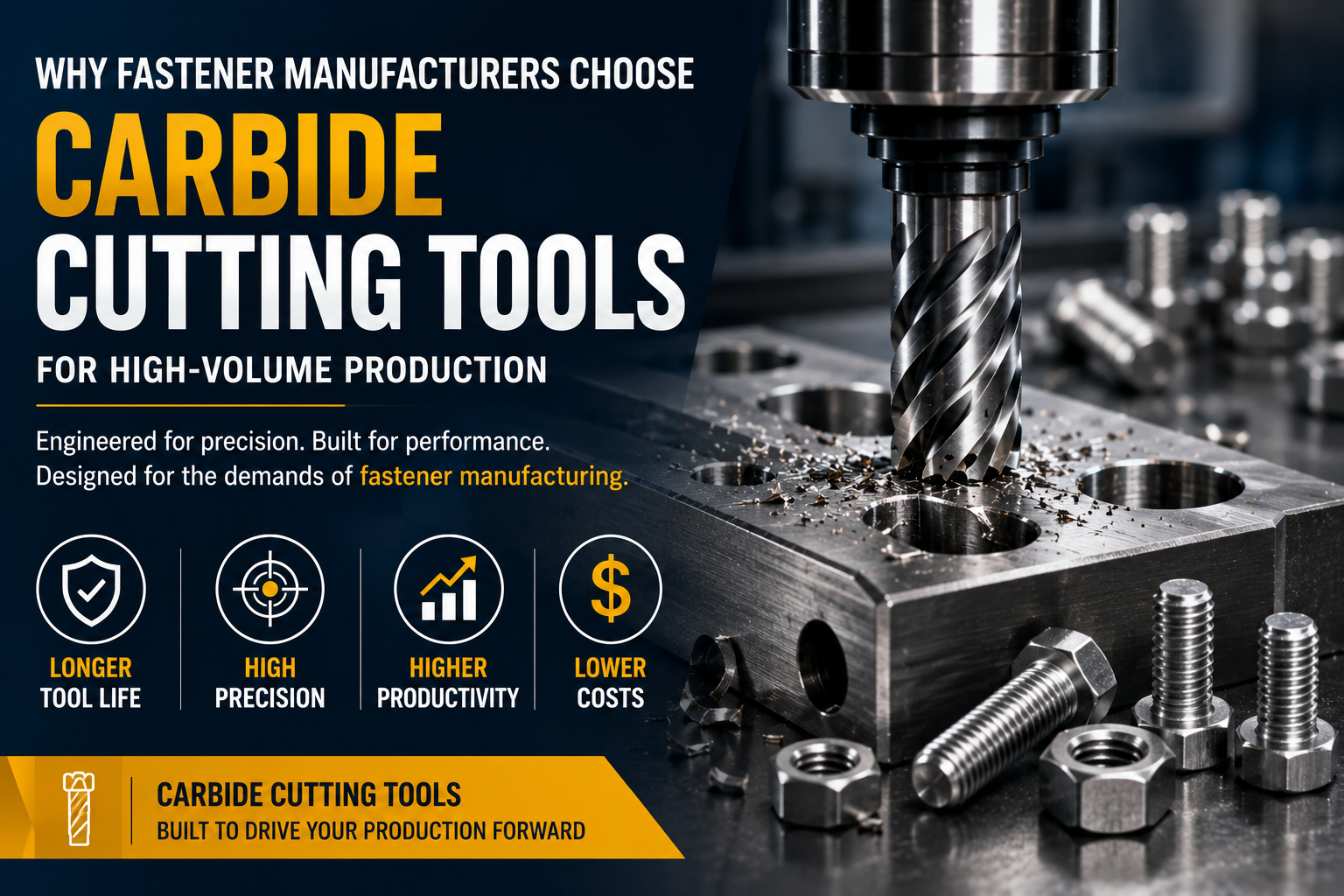
To meet these demands, manufacturers increasingly rely on advanced fastener cutting tools capable of delivering consistent performance under continuous production conditions. Among the various tooling materials available, carbide has emerged as the preferred choice due to its exceptional durability, wear resistance, and machining efficiency.
This article explains why carbide tooling has become the industry standard and how it contributes to improved manufacturing performance.
The Demands of Modern Fastener Manufacturing
Fastener production involves multiple machining operations, including slotting, threading, grooving, cutting, and finishing.
Manufacturers face several challenges:
- High production volumes
- Tight dimensional tolerances
- Continuous machine operation
- Reduced downtime requirements
- Cost control pressures
Traditional tooling materials often struggle to maintain performance under these demanding conditions. This is why many manufacturers have transitioned to specialized fastener manufacturing tools made from premium carbide materials.
Superior Wear Resistance
One of the primary reasons manufacturers choose carbide cutters for fasteners is their exceptional wear resistance.
Carbide is significantly harder than conventional high-speed steel. This hardness allows carbide tools to maintain sharp cutting edges even after extended production runs.
Benefits include:
- Reduced tool replacement frequency
- Consistent cutting performance
- Lower production interruptions
- Improved product quality
In high-volume fastener manufacturing, longer-lasting tools create substantial operational savings.
Enhanced Precision and Consistency
Fasteners require precise dimensions to ensure proper fit and functionality. Even minor variations can lead to assembly issues and product failures.
High-quality fastener cutting tools provide superior dimensional consistency throughout extended production cycles.
Carbide tools maintain edge geometry more effectively than alternative materials, allowing manufacturers to achieve:
- Accurate thread profiles
- Consistent slot dimensions
- Improved surface finish
- Reduced rejection rates
Precision remains one of the most valuable advantages of carbide tooling in modern manufacturing.
Better Performance at High Speeds
Today’s manufacturers continuously seek ways to increase output without compromising quality.
Carbide tooling enables higher cutting speeds compared to conventional alternatives. Because carbide withstands elevated temperatures more effectively, tools remain stable even under demanding machining conditions.
This capability allows manufacturers to improve productivity while maintaining consistent performance.
Many leading producers depend on advanced fastener industry tools specifically engineered for high-speed manufacturing environments.
Improved Thread Rolling Operations
Thread production represents one of the most critical stages in fastener manufacturing.
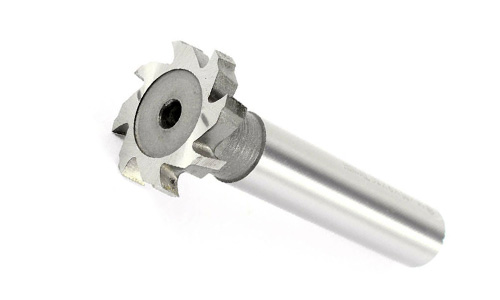
Precision thread rolling cutters play an essential role in producing strong, accurate threads with excellent surface finish quality. Carbide thread rolling tools offer outstanding durability and dimensional stability, making them ideal for continuous production environments.
Advantages include:
- Longer service life
- Better thread accuracy
- Reduced maintenance requirements
- Improved production consistency
These benefits help manufacturers maintain quality standards while maximizing machine utilization.
Reduced Machine Downtime
Downtime directly affects profitability.
Frequent tool changes interrupt production schedules, increase labor costs, and reduce equipment utilization. Carbide tooling significantly reduces these interruptions because tools remain operational for longer periods.
Manufacturers using premium carbide cutters for fasteners often experience:
- Fewer tool replacements
- Reduced setup time
- Lower inventory requirements
- Improved production scheduling
The cumulative impact of these improvements can be substantial over a full production year.
Lower Cost Per Component
While carbide tools generally require a higher initial investment, their overall cost effectiveness is often superior.
The total cost of ownership includes:
- Tool purchase costs
- Replacement frequency
- Downtime expenses
- Labor requirements
- Scrap reduction
Because carbide tools last longer and produce more components per tool, manufacturers frequently achieve a lower cost per part.
This economic advantage explains why carbide has become the preferred material for many fastener manufacturing tools.
Compatibility with Custom Tool Designs
Fastener production often involves specialized products that require customized tooling solutions.
Carbide can be manufactured into highly precise tool geometries designed for specific production requirements. Customized cutters allow manufacturers to optimize:
- Cutting performance
- Cycle times
- Surface finish
- Tool life
Companies specializing in fastener production increasingly partner with carbide tooling manufacturers capable of delivering application-specific solutions.
Importance of CNC Cutter Maintenance
Even the highest-quality carbide tools require proper care to achieve maximum performance.
Effective cnc cutter maintenance helps manufacturers extend tool life and maintain consistent cutting quality.
Recommended maintenance practices include:
Regular Inspection
Operators should routinely inspect tools for wear, chipping, and damage.
Proper Storage
Carbide tools should be stored in protective holders to prevent edge damage.
Coolant Monitoring
Maintaining proper coolant concentration helps control cutting temperatures.
Reconditioning Programs
Many carbide tools can be professionally reconditioned, extending their usable lifespan and reducing tooling costs.
Consistent cnc cutter maintenance ensures manufacturers receive the maximum return from their tooling investment.
Why Customized Carbide Solutions Deliver Better Results
Fastener manufacturers often face unique production challenges that cannot always be solved with standard tooling.
Customized carbide tools are engineered to address specific:
- Material types
- Production speeds
- Component geometries
- Quality requirements
These tailored solutions frequently provide better tool life, improved productivity, and enhanced consistency compared to standard off-the-shelf products.
As production demands continue to evolve, custom carbide tooling will play an increasingly important role in manufacturing success.
Conclusion
The growing demand for precision, speed, and efficiency has made carbide the preferred material for modern fastener cutting tools. From improved wear resistance and dimensional accuracy to higher production speeds and reduced downtime, carbide tooling delivers measurable advantages throughout the manufacturing process.
Whether using advanced thread rolling cutters, specialized carbide cutters for fasteners, or customized fastener manufacturing tools, manufacturers benefit from greater productivity, lower operating costs, and more consistent product quality.
Combined with effective cnc cutter maintenance, carbide tooling provides a reliable foundation for long-term manufacturing success in today’s competitive fastener industry.