Modern manufacturing depends on speed, precision, and consistency. Industries today require cutting solutions that can perform under demanding conditions while maintaining quality standards. A solid carbide cutter plays a major role in achieving these goals. From precision components to industrial production lines, advanced cutting tools support efficiency and long-term performance.
Different industries operate with unique machining requirements. A tool that works effectively for one application may not deliver the same results elsewhere. This is why manufacturers increasingly invest in customized solutions designed around production needs. High-quality cutting systems improve operational efficiency and reduce unnecessary downtime.
Kenosis Carbide specializes in manufacturing customized carbide solutions for industries that require accuracy, durability, and consistent machining performance. Their expertise supports sectors such as fasteners, jewellery manufacturing, paper cutting, and engineering applications.
Why Precision Cutting Matters in Modern Manufacturing
Industrial production has evolved significantly over the years. Manufacturers now face higher expectations for quality, speed, and output consistency. Even small machining errors can affect final product quality and increase operational costs.
Precision cutting solutions help maintain dimensional accuracy while reducing material waste. Advanced carbide tools provide superior wear resistance and long-term reliability compared to conventional alternatives.
These solutions support continuous production environments where performance consistency becomes critical. Better tooling directly contributes to productivity and cost control.
Manufacturers increasingly rely on advanced cutting technologies to maintain competitiveness and improve operational efficiency.
Understanding the Importance of a Solid Carbide Cutter
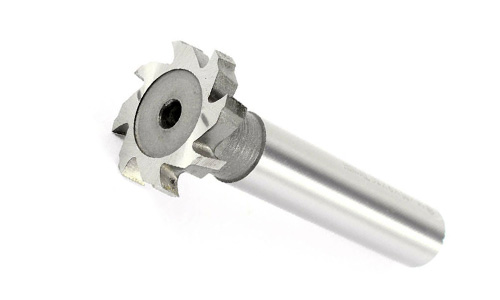
Carbide remains one of the most trusted materials in industrial machining. Its hardness and durability allow it to perform effectively under demanding production conditions.
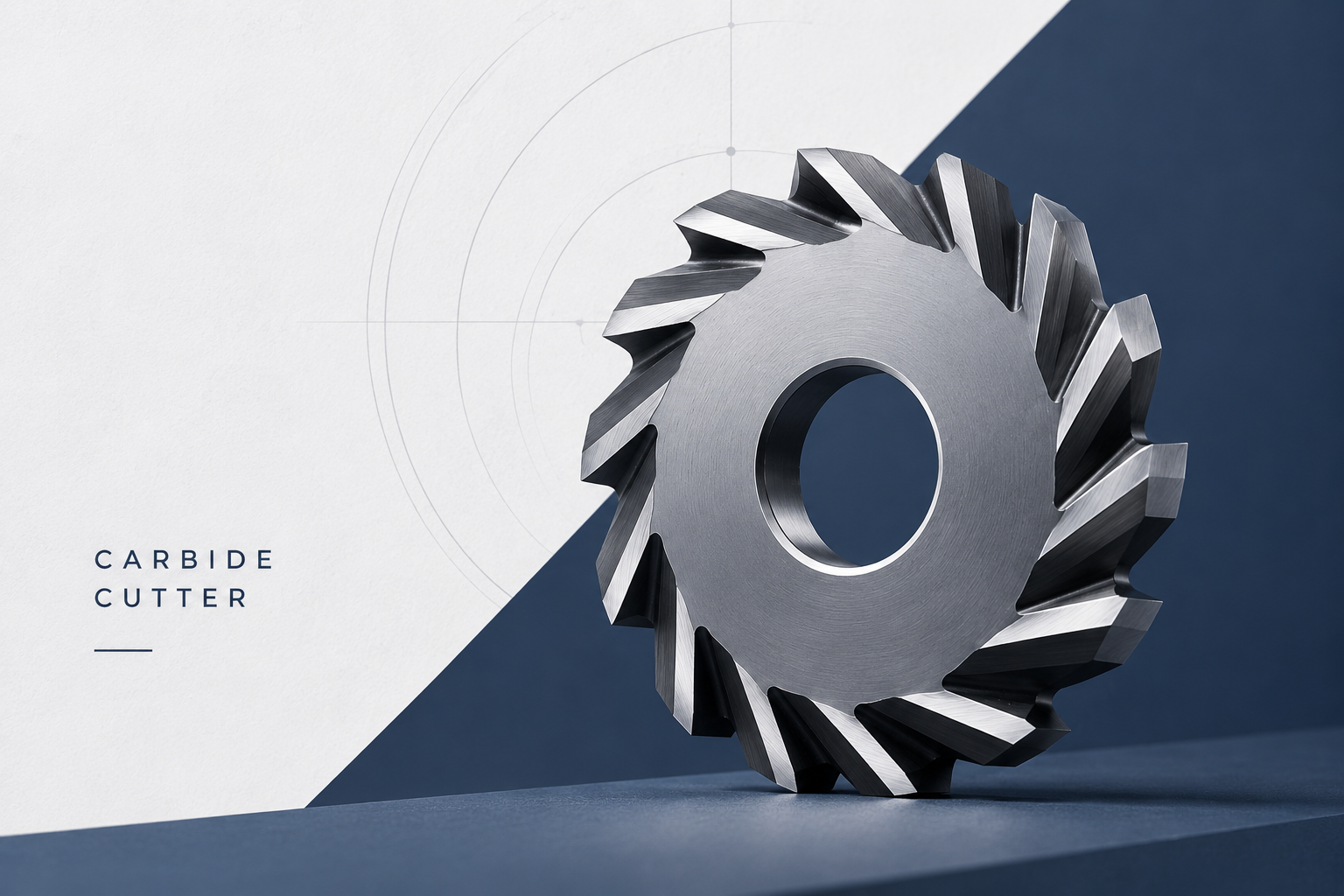
A high-quality solid carbide cutter maintains sharpness for extended periods and supports stable machining performance. This reduces interruptions caused by tool replacement and maintenance.
Unlike traditional cutting materials, carbide provides excellent resistance to wear and heat generation. These characteristics help manufacturers achieve better process reliability.
Modern solid carbide tools are designed to support high-speed machining while maintaining precision across multiple industrial applications.
Applications of Solid Carbide Cutter Solutions in the Fastener Industry
Fastener manufacturing involves continuous production and strict dimensional requirements. Components such as bolts, screws, nuts, and threaded products require highly accurate machining.
A precision solid carbide cutter helps manufacturers maintain tight tolerances during high-volume operations.
Fastener manufacturers frequently work with hard materials that generate considerable stress during machining. Poor cutting performance can create dimensional variation and increase production waste.
Reliable carbide tools improve machining stability and support cleaner cutting performance. Better tool durability also reduces downtime associated with frequent replacements.
In large-scale production environments, even minor improvements in tool life create measurable productivity gains.
Role of Carbide Cutting Tool Solutions in Jewellery Manufacturing
Jewellery manufacturing requires exceptional precision and attention to detail. Complex designs often involve intricate cutting operations that demand accuracy.
A specialized carbide cutting tool supports fine machining requirements while maintaining design consistency.
Jewellery applications frequently involve detailed engraving, shaping, and material processing tasks. Poor cutting quality can affect product appearance and finishing standards.
Manufacturers use customized carbide cutter solutions to achieve clean edges and improve surface quality.
Precision cutting becomes especially important for delicate applications where dimensional variation cannot be tolerated.
High-quality precision cutting tools also help improve productivity by reducing process interruptions and rework requirements.
Engineering Industries Depend on Reliable Cutting Solutions
Engineering applications involve processing different materials and component types. Production environments often demand flexible tooling capable of handling diverse requirements.
Advanced solid carbide tools support these operations through improved durability and machining stability.
Engineering manufacturers frequently process materials under demanding conditions. Tool wear and vibration can reduce accuracy and negatively affect production quality.
A properly designed carbide cutting tool helps maintain cutting consistency across varying applications.
Customized tooling systems allow manufacturers to optimize performance for specific machining environments.
This adaptability explains why many engineering industries increasingly invest in precision-engineered cutting systems.
Why Carbide Tools Support Better Manufacturing Performance
Manufacturers focus heavily on productivity because operational efficiency directly affects profitability.
Modern carbide tools offer several advantages:
- Improved wear resistance
- Better cutting stability
- Reduced machine downtime
- Greater machining precision
- Longer operational life
- Consistent production quality
These benefits help industries improve workflow reliability while reducing long-term operational costs.
Better tooling systems often contribute directly to stronger production performance.
How Customized Carbide Cutter Solutions Improve Results
Industrial applications vary significantly. Standard products may not always support specialized production requirements.
This is where customized carbide cutter designs create value.
Customized tooling considers factors such as:
- Material characteristics
- Machine capability
- Production speed
- Surface finish requirements
- Dimensional tolerances
Tailored solutions often outperform standard products because they address real production conditions.
A customized solid carbide cutter can improve chip evacuation, reduce vibration, and support smoother machining operations.
Manufacturers increasingly prefer application-specific solutions because they optimize both performance and efficiency.
Factors That Influence Solid Carbide Tool Performance
Several variables affect machining outcomes. Understanding these factors helps manufacturers maximize tool efficiency.
Important considerations include:
Material Hardness
Different materials create different machining challenges. Harder materials may increase wear and heat generation.
Cutting Speed
Improper speed settings can affect surface quality and reduce tool life.
Machine Stability
Machine vibration often impacts machining accuracy and consistency.
Tool Geometry
Design characteristics directly influence cutting performance.
Well-designed solid carbide tools help manufacturers achieve stable and repeatable machining outcomes.
Why Precision Cutting Tools Continue Growing in Demand
Industrial sectors increasingly demand high-performance manufacturing solutions. Better productivity and lower operating costs remain top priorities.
Advanced precision cutting tools support these goals through improved durability and operational consistency.
Manufacturers now recognize the importance of selecting solutions that support long-term process optimization.
Whether applications involve fastener production, jewellery manufacturing, or engineering components, precision tooling contributes to measurable business improvements.
A reliable carbide cutting tool helps maintain quality standards while reducing operational risks.
This combination of performance and reliability explains the growing demand for advanced carbide systems.
Kenosis Carbide Supports Industry-Specific Manufacturing Needs
Different industries require different machining solutions. Generic products may not always meet specific production expectations.
Kenosis Carbide develops customized cutting systems designed around unique application requirements.
Their expertise in solid carbide tools supports industries requiring precision and durability. Through advanced engineering and application-focused design, they help manufacturers improve machining outcomes.
From complex engineering components to high-volume industrial production, customized solutions help businesses achieve better efficiency.
Conclusion
Precision manufacturing depends on cutting solutions that deliver reliability and consistent performance. Industries require tools capable of handling demanding environments while maintaining accuracy.
Whether supporting fastener production, jewellery applications, or engineering industries, a high-performance solid carbide cutter contributes directly to productivity and machining quality.
Advanced carbide tools, customized carbide cutter designs, and specialized precision cutting tools continue helping manufacturers improve efficiency and long-term operational performance.
As industrial requirements evolve, precision-engineered cutting systems will remain essential for achieving superior manufacturing results.