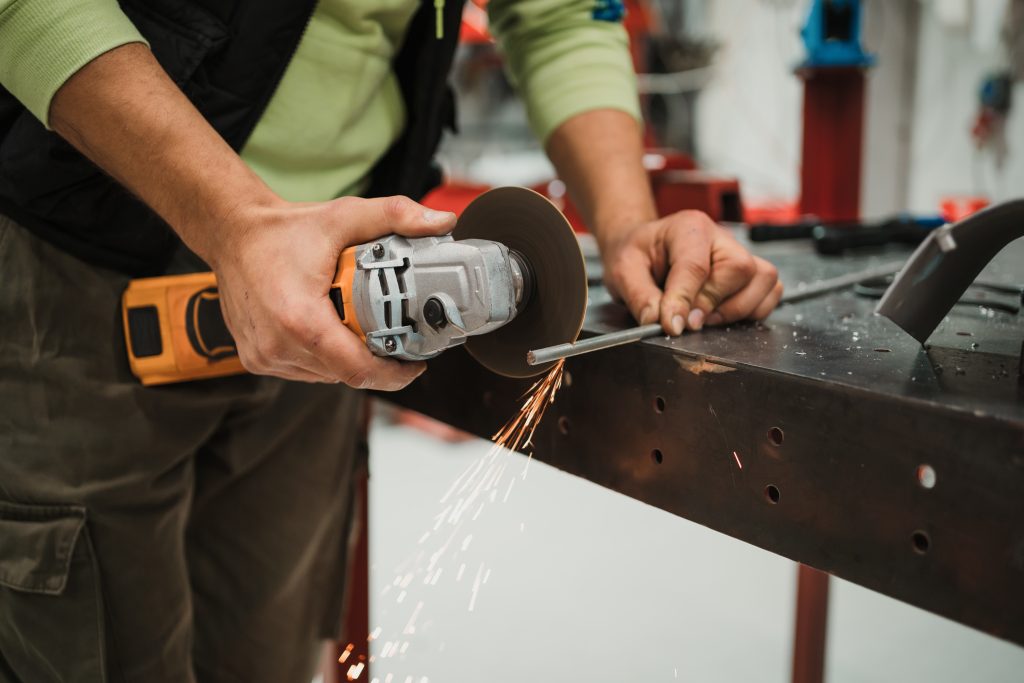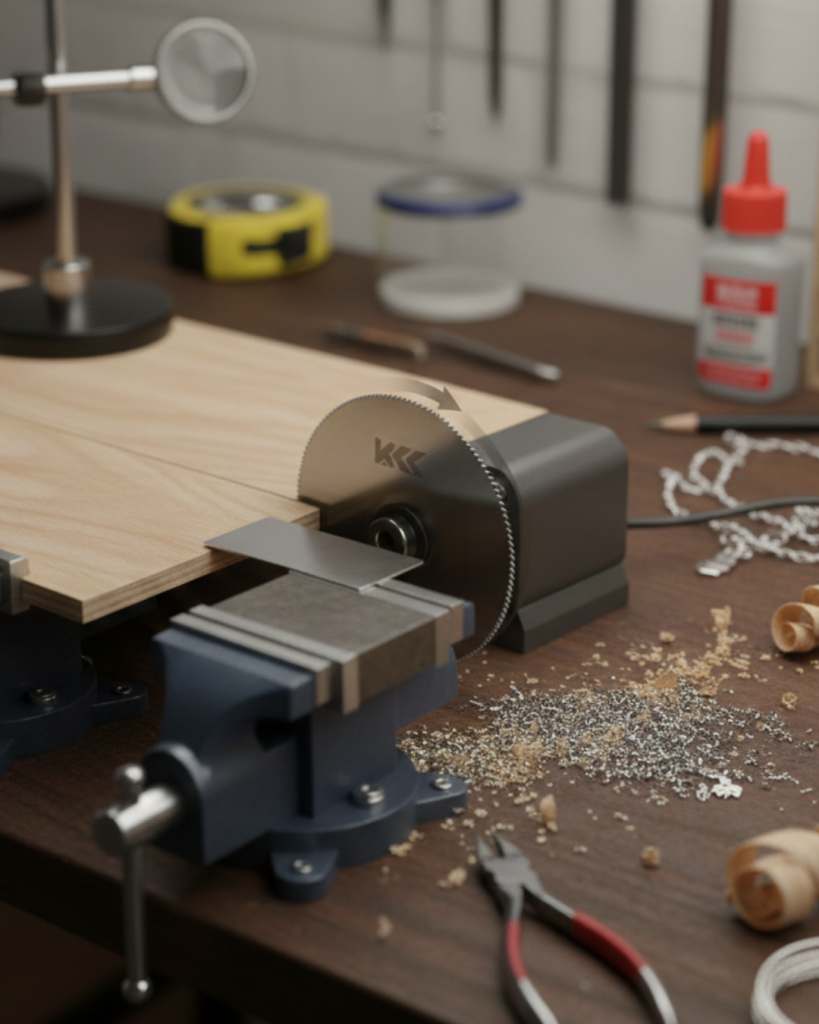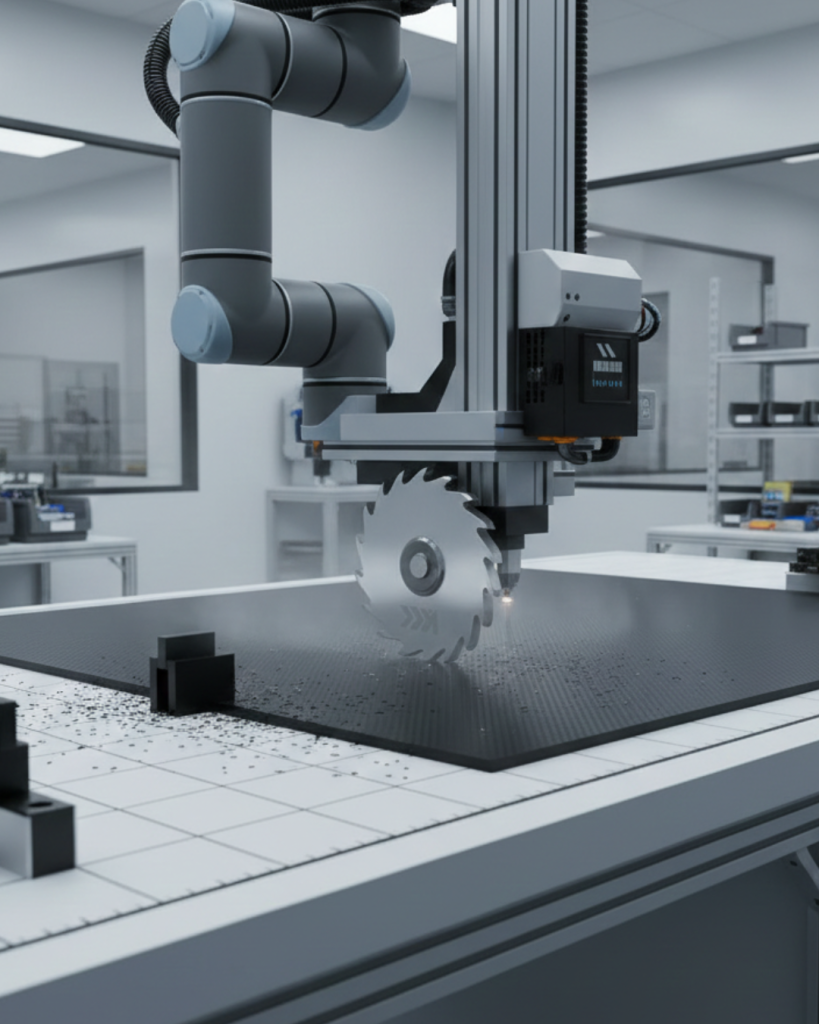
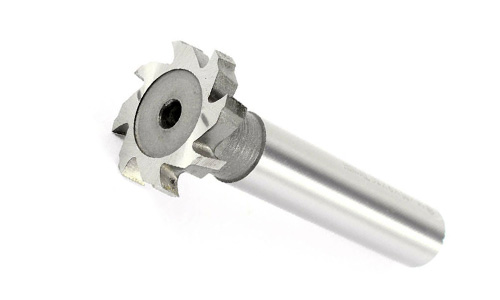
In precision machining and fabrication environments, accuracy and rigidity are critical—especially when machining machine tables, fixtures, and workholding systems. One specialised cutting tool that plays a vital role in these applications is the T-slot cutter. Designed to create precise T-shaped slots, these tools are essential in industries where secure clamping and repeatable positioning are required.
Understanding what T-slot cutters are, how they are used, and how to select the right material helps manufacturers achieve reliable machining results while maintaining dimensional accuracy and surface finish quality.
What Are T-Slot Cutters?
T-slot cutters are specialised milling tools designed to machine T-shaped slots in metal components. These slots are commonly used on machine tables, fixtures, jigs, and tooling plates to hold bolts, clamps, and fasteners securely in place.
Unlike standard end mills, T-slot milling cutters feature a narrow neck and a wider cutting head. This design allows the cutter to machine the undercut portion of the T-slot after an initial straight slot is created.
How T-Slot Machining Works
The process of T-slot machining typically involves two steps:
- Pre-slotting:
A straight slot is machined using an end mill to create clearance for the T-slot cutter neck. - T-slot Cutting:
The T-slot cutter is then used to machine the wider undercut section, forming the final T-shaped profile.
This controlled process ensures accurate slot dimensions and prevents excessive tool load during cutting.
Common Applications of T-Slot Cutters
T-slot cutters are widely used across various industrial sectors due to their functional importance. Common applications include:
- Machine tool tables
- Fixtures and jigs
- Workholding systems
- Tooling plates
- Industrial automation components
In these applications, precise T-slot cutters ensure proper alignment, strong clamping force, and repeatable positioning—critical for high-accuracy machining operations.
Benefits of Using T-Slot Cutters
1. Precise Slot Geometry
T-slot cutters are designed to produce accurate and consistent T-slot profiles. This precision ensures compatibility with standard T-bolts and clamping accessories.
Maintaining dimensional accuracy is one of the key advantages of high-quality T-slot milling cutters.
2. Strong and Secure Workholding
Properly machined T-slots provide excellent clamping strength, improving workpiece stability during machining. This reduces vibration and enhances surface finish quality.
Reliable T-slot machining directly contributes to safer and more efficient machining operations.
3. Improved Machining Efficiency
Using the correct T-slot cutter reduces the need for multiple passes and minimises tool wear. This leads to faster cycle times and consistent production output.
High-performance T-slot cutters help workshops maintain productivity while meeting tight tolerances.
4. Versatility Across Industries
T-slot cutters are used in general engineering, tooling, automotive, aerospace, and heavy machinery manufacturing. Their adaptability makes them an essential tool in many workshops.
Material Selection for T-Slot Cutters
Choosing the right cutter material is critical for performance and tool life.
High-Speed Steel (HSS) T-Slot Cutters
HSS cutters offer good toughness and are suitable for low to medium cutting speeds. They are commonly used in conventional milling machines and lighter-duty applications.
However, for higher productivity and harder materials, solid carbide tools are preferred.
Solid Carbide T-Slot Cutters
Solid carbide T-slot cutters provide superior hardness, wear resistance, and heat stability. They are ideal for CNC machining and demanding applications involving hardened steels and cast iron.
Carbide tools maintain cutting accuracy over extended production runs, making them a preferred choice in precision manufacturing.
Importance of Customised T-Slot Cutters
Standard cutter sizes may not always meet specific machining requirements. In such cases, customised T-slot cutters provide a tailored solution.
Customisation options include:
- Cutter diameter
- Neck width
- Cutting depth
- Shank size
- Overall tool length
Custom tools help reduce setup time, improve accuracy, and eliminate the need for secondary operations.
Factors to Consider When Selecting T-Slot Cutters
When choosing T-slot cutters, manufacturers should consider:
- Workpiece material
- Slot dimensions and tolerance requirements
- Machine type (CNC or conventional)
- Cutting speed and feed rates
- Required surface finish
Selecting the right cutter ensures consistent performance and longer tool life.
Role of Tool Geometry and Coatings
Optimised tool geometry improves chip evacuation and reduces cutting forces during T-slot machining. In demanding applications, coated carbide cutters further enhance tool life and heat resistance.
Advanced coatings help maintain edge sharpness and dimensional accuracy, especially in high-speed machining environments.
Maintenance and Tool Life Considerations
Proper handling and maintenance are essential for maximising tool life. Using correct cutting parameters, proper coolant application, and regular inspection helps prevent premature tool failure.
High-quality T-slot milling cutters retain accuracy and performance when used under recommended machining conditions.
Conclusion
T-slot cutters are essential tools for creating precise and reliable workholding solutions in modern manufacturing. Their ability to produce accurate T-slot profiles makes them indispensable in machining tables, fixtures, and tooling systems.
By selecting the right material—especially solid carbide T-slot cutters—and considering customization options, manufacturers can achieve superior machining results. Whether used in CNC or conventional setups, properly chosen customized T-slot cutters ensure efficiency, accuracy, and long-term performance across a wide range of industrial applications.