Machining operations in modern manufacturing require more than just standard cutting tools. Every application has unique requirements, from material hardness and shape complexity to machine type and production volume. Using customised cutters allows manufacturers to address these specific needs, leading to significant improvements in both tool life and machining efficiency.
By optimising geometry, material, and coatings for particular applications, customised cutters reduce wear, maintain cutting accuracy, and maximise productivity, making them a critical investment for precision engineering, automotive, aerospace, and general manufacturing operations.
What Are Customised Cutters?
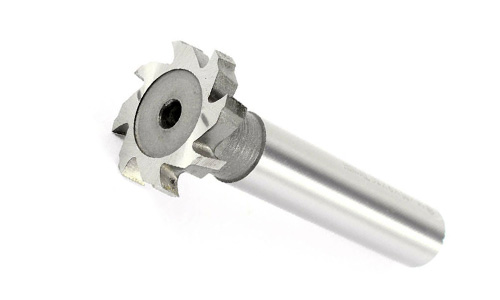
Customised cutters are cutting tools designed and manufactured according to the exact specifications of a machining operation. Unlike standard tools, these cutters can be tailored in:
- Diameter, shank size, and cutting length
- Profile shape and cutting edge geometry
- Coatings and surface treatments
- Tooth configuration and pitch
This degree of precision ensures the tool is perfectly suited for the material, machine, and operation, leading to enhanced performance and longevity.
Why Customised Cutters Matter
Using standard tools often forces manufacturers to compromise on cutting parameters. Customised cutters eliminate these compromises, offering benefits such as:
- Reduced tool wear
- Consistent machining accuracy
- Optimised cutting forces
- Lower material wastage
The result is longer tool life and improved machining efficiency, which directly impact production costs and throughput.
How Customised Cutters Improve Tool Life
1. Optimised Geometry
Customised cutters are engineered with precise rake angles, clearance angles, and cutting edge profiles that suit the workpiece material. Optimised geometry distributes cutting forces evenly, reducing localized stress and preventing premature edge chipping.
By minimising mechanical stress, tool life improvement is significant, especially when working with hard or abrasive materials.
2. Superior Material Selection
The choice of base material plays a critical role in cutter longevity. Carbide cutters offer higher hardness, rigidity, and heat resistance compared to high-speed steel, making them ideal for high-speed and precision applications.
Customised cutters use materials specifically suited for the workpiece, which reduces wear and enhances durability.
3. Coatings for Enhanced Durability
Advanced coatings like TiN, TiAlN, and AlCrN reduce friction, prevent oxidation, and improve heat resistance. When applied to customised cutters, these coatings extend cutting life by protecting the tool edge under heavy loads or high-speed machining conditions.
This combination of customised geometry and coatings is a key factor in tool life improvement.
4. Application-Specific Design
Each machining operation has unique cutting forces, feed rates, and material properties. Customised cutters can be designed to withstand these specific conditions, ensuring stable performance over long production runs.
This tailored design reduces the risk of tool breakage and maintains consistent precision cutting results.
How Customised Cutters Improve Machining Efficiency
1. Reduced Setup Time
Customised cutters can perform multiple operations in a single pass, reducing the need for tool changes and multiple setups. This streamlines the machining process and increases overall efficiency.
2. Higher Cutting Speeds and Feeds
Tools designed for the specific application allow higher speeds and feeds without compromising accuracy. This accelerates production cycles while maintaining surface finish quality.
3. Consistent Surface Finish
Customised cutters ensure even chip flow, reduced vibrations, and smooth cutting action. This improves the surface finish of machined parts, minimising the need for secondary operations and enhancing overall efficiency.
4. Reduced Material Waste
Optimised cutting reduces burr formation, rejects, and scrap material. Efficient chip evacuation and precise cutting contribute to machining efficiency, especially in high-precision industries like aerospace and automotive components.
Industries Benefiting from Customised Cutters
Customised cutters are used across a wide range of sectors, including:
- Aerospace: for high-tolerance, heat-resistant materials
- Automotive: for high-volume production with consistent quality
- Tooling and dies: for specialised machining operations
- Jewellery: for intricate designs and delicate materials
- General engineering: for complex parts and non-standard geometries
In all these applications, customised cutters help maintain high performance and reduce downtime.
Choosing the Right Customised Cutter Manufacturer
Selecting an experienced manufacturer is critical for realising the benefits of customised cutters. A reliable supplier provides:
- Technical consultation to match cutters to material and machine
- High-quality base materials and coatings
- Precision manufacturing and quality control
- Custom solutions for complex machining operations
Partnering with a trusted manufacturer ensures maximum tool life improvement and enhanced machining efficiency.
Conclusion
Customised cutters are a strategic investment for manufacturers looking to improve tool life and machining efficiency. By optimising geometry, material, coatings, and design for specific applications, these cutters deliver superior performance compared to standard tools.
Whether for high-speed CNC operations, precision engineering, or complex material applications, customised cutters enhance productivity, reduce costs, and ensure consistent machining accuracy. Choosing the right customised solution is key to achieving long-term operational efficiency and reliability in modern manufacturing.